December 16, 2025
.png)

Written by:
David Boyes
If you’re running multi-shop or fleet training programs across dozens of locations, you’ve probably felt the struggle to standardize training. On paper, every shop or branch is supposed to deliver the same safe, consistent experience. In reality, this can be a bit more difficult to achieve.
For fleets or multi-shop organizations (MSOs) with 50, 80, or even 100+ locations, that inconsistency adds up fast. With different managers, different regions, different experience levels, it’s easy for training to become disorganized.
This blog will walk through how fleets and MSOs can standardize training in a way that still respects local strengths.
Table of Contents
When you're operating dozens or hundreds of locations, consistency starts with the people. Technicians and service teams are the face of your business, and how they’re trained plays a big role in the customer experience, safety, and performance at every site.
Standardizing your training means putting reliable training systems in place so every team, in every location, operates with the same shared knowledge and expectations. That’s what allows organizations to grow without losing visibility or control.
Here’s what is possible with this kind of consistency:
Every time a customer visits a shop, calls in for service, or interacts with your team, they’re forming an opinion about your brand. Without consistent training, those experiences can vary widely from one location to the next.
Standardized training helps make sure the way your teams communicate, explain repairs, and follow through on service expectations reflects your brand the same way everywhere.
Safety training can’t be left to chance. If one location skips over key procedures or handles compliance differently, it increases risk for the entire organization.
A shared safety and compliance training structure ensures every team member understands the rules, follows the same process, and has documented proof of completion. This keeps both people and your business protected.
Training should support more than just onboarding. When it’s standardized and tracked, you can start tying it to metrics that matter, like rework rates, productivity, and overall efficiency.
With the right tools, you’ll start to see patterns across regions and roles that will help you make smarter decisions for your organization.
Inconsistent training makes it hard for employees to know what’s expected of them or what they’re working toward. When every role has a clear training path, team members can see how to advance, and managers can coach with the same standards across locations.
That consistency makes it easier to recognize and support top performers while helping others get up to speed.
Bringing on a new shop or employee shouldn’t mean reinventing the wheel. When standardized training is already in place, new hires and new locations can plug into existing systems right away. This shortens ramp-up time, helps leadership maintain visibility, and makes it easier to hold everyone to the same baseline expectations.
Standardizing training across multiple locations is a long-term investment, but it’s easy to lose traction if certain issues go unaddressed. Avoiding these common missteps can help your training program stay on track and deliver the results you’re aiming for.
Training that only focuses on checking boxes or meeting regulatory requirements tends to fall flat. While compliance is important, it shouldn’t be the only goal. Training should also support performance, skill development, and long-term retention. When teams understand how training helps them in their roles, they’re more likely to stay engaged and take it seriously.
If training modules are too long, overly technical, or disconnected from what actually happens on the shop floor, they won’t stick. Technicians and drivers need short, focused lessons they can apply right away. When training reflects real workflows, it becomes part of how people learn, not just something to get through.
Flexibility is important, but too much customization at the location level can weaken the impact of your training program. When each store starts adjusting the core material, consistency drops and comparisons across teams become difficult. Establish your core curriculum first, then identify where location-specific content is truly necessary.
With a solid structure, the right tools, and ongoing support, training can become one of the most reliable parts of your operation and something that improves not just knowledge, but performance across every role and location.
Standardizing training across a large organization doesn’t mean forcing every location to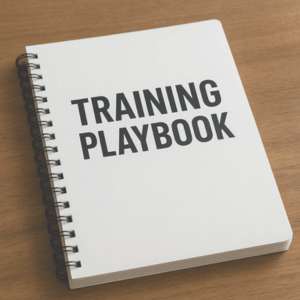 operate identically—but it does require clear structure. A central training playbook gives teams across your network a consistent foundation while allowing room for flexibility where it matters.
It defines what every location should be doing the same way, what’s expected by role, and where locations can be customized based on equipment, workflow, or regulations. With the right structure in place, teams are easier to support, onboard, and develop, no matter where they’re based.
The first step is identifying your non-negotiables. These are the training standards that should apply to every location, regardless of size, region, or workload. When these expectations are clearly defined, it becomes easier to train, evaluate, and support teams consistently across your network.
Your core standards should include:
These shared elements create alignment from store to store and act as the backbone of your MSO or fleet training program.
Next, make sure your training content is specific to the roles within each shop. Not every team member needs to know the same things, but everyone needs to know what’s expected of them in their role. That’s where clearly defined training paths come in.
For example:
When training is role-specific, it helps employees build confidence in their responsibilities while giving managers a clearer way to coach and support them.
Read More: How to Create Customized Training for Different Levels and Roles
Even with a standardized structure, it’s important to recognize that no two locations are exactly the same. Every individual shop has a team with unique skill sets, but it's important to make sure every employee learns the same basics.
A good training system should support that flexibility while keeping the core consistent. To do that:
This approach helps every team member access the same foundation while giving managers the ability to address local needs. It also keeps training organized and accessible from one place, so nothing falls through the cracks.
With a centralized, role-based, and flexible playbook in place, MSOs and fleets can roll out training that actually works across every location.
Once you’ve defined what training should look like across your organization, the next step is making it scalable. Without the right tools, even the best training plans become difficult to manage - especially when you're overseeing dozens or even hundreds of locations or a large fleet.
A strong training platform helps standardize delivery, tracks progress automatically, and gives both local managers and leadership visibility into what’s working and where support is needed.
A learning management system (LMS), like training software, should make it easy to manage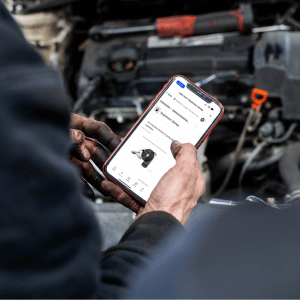 training across roles, locations, and regions without creating more complexity.
At a minimum, your LMS should allow you to:
This kind of system keeps training organized and accessible. It also reduces friction by giving teams one place to go for everything your team needs.
Not all training needs to be assigned. Some of it should be ready when questions or gaps come up. That’s why a balanced system includes both structured and on-demand content.
A well-rounded platform should support:
This combination ensures that your MSO technician training stays consistent while also supporting continued learning and curiosity. Teams can complete what’s expected of them while also having the freedom to revisit materials when needed without waiting for someone to walk them through it.
Tracking training completion is helpful, but it’s just one part of the picture. A strong training platform should also help you spot patterns, like who’s consistently falling behind, who’s struggling in a specific area, or who’s moving through their training with ease.
This gives managers what they need to step in with support when it matters, and helps leadership see how training ties into shop performance. Over time, it becomes easier to see where your teams are growing and where they may need a push.
Don't worry, rolling out standardized fleet or multi-location automotive training solutions doesn’t have to happen all at once. Starting small gives you the space to test, listen, and adjust before scaling organization-wide.
A pilot rollout helps you see how training fits into day-to-day operations at the shop level. Choose a few locations that represent a mix of team sizes and regions. During the pilot, focus on:
This gives you a chance to improve the experience before bringing everyone else onboard.
Before expanding beyond the pilot group, set clear expectations. Let teams know what’s changing, why it matters, and how it will impact them. Be specific about:
Training adoption improves when teams see the benefit, not just for the company, but for their own development and performance, too.
Standardizing training across 50+ locations isn’t about making every shop a carbon copy. It’s about giving everyone the same strong foundation so customer experience feels consistent.
With the right mix of a clear playbook, manager involvement, and the right multi-location automotive training solutions, you can build MSO and fleet training programs that grow with you instead of holding you back.
A modern LMS for fleets and MSOs, like Today’s Class, can pull your in-house content and role-based paths into one place, giving you better reporting, better accountability, and a clearer view of employee growth across your entire network.
If you're ready to see how Today's Class can help standardize your fleet or multi-shop organization's training initiatives, reach out to our team today and we'll answer any questions you may have.
Keep Reading: How to Use Training to Create Standard Operating Procedures
Tags: Training
.png?width=225&height=51&name=TodaysClass_Logo_Color%20Iterations_TC_Light%20Grey%20(1).png)